The short answer: Head shaking, scratching, odor, redness or discharge can signal inflammation of a dog’s ear canal, but not every uncomfortable ear is caused by the same organism or even an infection. Allergies, trapped foreign material, parasites and other underlying problems can produce overlapping signs. A veterinarian should examine the ear and decide whether a sample, microscopic assessment or other testing is needed before medication is chosen. Seek prompt urgent care if your dog also has a marked head tilt, falls, seems unable to balance, has severe pain or develops new facial changes.
The Merck Veterinary Manual describes otitis externa as inflammation of the external ear canal and emphasizes that treatment must account for what caused it. Ear care is especially frustrating when a dog improves during medication and then starts shaking its head again weeks later. That pattern may mean an underlying problem has not been addressed, rather than that the owner failed to apply enough cleaner. Here is a practical way to understand the veterinary workup, avoid hazardous home treatment and plan for follow-up.
What can the visible signs tell you?
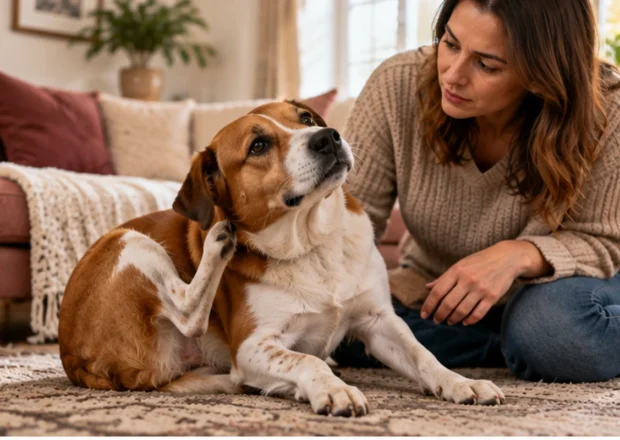
A dog may shake its head, rub one ear against furniture, scratch near the ear, resist being touched, or develop a new odor or colored discharge. Some ears look red and swollen near the opening, while deeper changes cannot be seen without examination. Not every dog shows all these signs. Chronic discomfort can change sleep, play and tolerance for grooming. An animal that ordinarily enjoys having its head touched may suddenly pull away because handling has become painful.
These observations identify a problem, not its cause. A dog with a foreign object caught in the canal can look similar to one with yeast overgrowth. A ruptured eardrum may change which products are safe, while middle- or inner-ear involvement can produce balance or neurological signs. Never infer that brown material automatically means mites or that a sour smell confirms yeast. Those shortcuts may delay correct treatment.
Write down whether the trouble is in one ear or both, when it began, how often it has happened and whether it followed swimming, grooming or a change in skin symptoms. If the dog has repeated ear and paw itching, tell the clinician. If your dog has pain when opening its mouth, a tilt, abnormal eye movement or falling, describe it immediately because those are not just routine cosmetic ear issues.
When does an ear problem require faster care?
Seek prompt veterinary assessment for severe pain, substantial swelling, bleeding, suspected foreign material, sudden loss of balance or inability to walk normally. A dog with significant head tilt, circling, repeated falling, unusual eye movements or facial weakness needs urgent professional assessment. Ear and neurological disorders can overlap; only an examination can establish what is happening. Do not wait for several days of home cleaning to see whether these signs resolve.
Milder scratching or odor still deserves a veterinary appointment, especially when it persists, worsens or recurs. Chronic inflammation can thicken ear tissue and make later treatment harder. A dog that is otherwise bright may still have painful infection. Tell the practice about previous prescriptions so the current clinician knows which products were used and how the animal responded.
Do not put cotton swabs deep into the ear or attempt to fish out a suspected grass seed or foreign body yourself. Pushing material deeper or injuring inflamed skin can complicate the problem. If a dog may bite because of pain, avoid forcing an examination at home and ask the veterinary clinic about safer handling options.
Why the veterinarian looks before choosing drops
The ear canal is not a straight tube that an owner can inspect fully with a flashlight. A veterinarian may use an otoscope to assess inflammation, visualize the canal and attempt to evaluate the eardrum. When there is discharge, ear cytology can help identify bacteria or yeast as part of the treatment decision. A thorough history may reveal repeated flare-ups related to skin allergies, changes in the household environment or previous treatment failures.
Not every case receives every test. A straightforward first episode may need a different workup from a painful recurring infection, where cultures, imaging or further assessment can become relevant. If swelling prevents a safe examination, the team may discuss ways to manage pain or perform a fuller examination under sedation. Ask why a particular test is recommended and how the result could change the plan.
An eardrum that cannot be adequately visualized creates special caution around ear products. Some substances may be unsafe when they enter the middle ear. This is why using leftover drops from a different animal or last year’s infection is a poor idea. Even if the active ingredient sounds familiar, the current diagnosis and the state of the eardrum may differ.
The difference between treating infection and treating the cause
Bacteria or yeast can be involved in an inflamed ear, but they may be secondary to a problem such as allergic skin disease. Treating an organism without addressing the recurrent source of inflammation may lead to repeated episodes. Dogs with certain ear anatomy or persistent moisture problems may need prevention tailored to their individual risk. The veterinarian may look at the skin, paws or general health rather than treating the ear as an isolated pocket.
Some dogs have recurring ear discomfort despite different medications. In that situation, ask whether the initial problem was fully resolved and whether a systemic cause should be investigated. The answer might involve allergy evaluation, a closer look at one-sided disease or referral to a specialist. Do not assume that an apparently effective prescription will remain effective indefinitely if the underlying disease is unchanged.
The word ‘infection’ can also become misleading when owners treat all head shaking as the same condition. Ear parasites, foreign bodies, tumors and inflammatory disorders may require very different action. The safe clinical approach is cause-specific rather than automatically increasing doses or switching to stronger cleansers.
Using prescribed ear treatment carefully
Follow the written directions supplied by the treating practice. Ask the team to demonstrate the technique if the dog is anxious or you are unsure where the product belongs. Check whether the ear should be cleaned before treatment; different medications and ear conditions have different instructions. More cleaning is not automatically better, and some ears are too painful or inflamed for owner cleaning until the clinician has made a plan.
Keep track of dosing and recheck dates. If two household members share the task, use a simple chart to prevent missed or doubled applications. If the dog appears substantially more painful, becomes unsteady, develops new discharge or reacts badly after treatment, contact the practice promptly. Do not casually stop prescribed therapy when the ear looks better on day three, because visible improvement is not proof that the problem is resolved.
Avoid do-it-yourself recipes containing vinegar, alcohol, essential oils or peroxide. An inflamed canal can react badly to harsh products, and damage to the eardrum changes the risk further. A clean-looking ear that still hurts is a reason for reassessment, not experimentation.
What about routine ear cleaning and swimming?
Many dogs do not need frequent deep ear cleaning when healthy. Others may benefit from a veterinarian-designed routine because of repeated problems or circumstances such as water exposure. The key questions are what product to use, how often and what signs mean cleaning should stop and an examination should take place. If the canal is red, swollen or painful, follow the clinician’s instructions rather than defaulting to a preventive cleaner.
After swimming or bathing, observe for persistent head shaking, discomfort or unusual odor. Do not insert cotton swabs into the canal to ‘dry it out.’ A dog’s ear shape, skin condition and prior history affect management. Keeping ears comfortable is more important than adhering to an internet recommendation to clean them on a fixed weekly schedule.
Groomers can notice abnormalities, but they cannot reliably diagnose the cause of a medical ear problem. If a groomer reports odor or discharge, arrange veterinary assessment. Similarly, routine ear-hair removal is not the correct solution for every breed; discuss whether hair, irritation or grooming technique is contributing before changing practices.
Why follow-up matters with recurring ear disease
Owners often see reduced scratching and assume everything is finished. Yet discharge, microscopic organisms or underlying inflammation may persist when the dog seems more comfortable. A veterinarian may recommend a recheck or repeat cytology based on the case. Completing follow-up is particularly important in dogs with frequent episodes because persistent disease can lead to long-term changes in canal structure.
Bring the full list of treatments previously used, including over-the-counter cleaners, products obtained online and any medication prescribed at another clinic. Note how long improvement lasted and whether one ear is consistently worse. This information may help decide whether the clinician should investigate allergies, resistant organisms, middle-ear disease or another explanation.
If a dog has hearing changes or unusual balance signs, do not treat those solely as an extension of routine outer-ear irritation. Merck describes middle and inner ear disorders as distinct conditions with potentially more serious consequences. A prompt examination can direct safer next steps.
What an ear-visit estimate might include
A clinic may quote an examination, ear cytology, cleaning, prescription medication and a follow-up visit. Complex or recurrent cases can also involve cultures, sedation, additional tests or referral. There is no reliable single national price that predicts every visit. Ask for an itemized estimate and which diagnostics are needed immediately to choose treatment. If costs are a concern, tell the clinic early so it can explain priorities without guessing at the diagnosis.
Imagine a fictional visit priced at $95 for examination, $55 for cytology and $70 for medication. The simple total is $220, excluding rechecks or any other services. These figures are merely a budgeting exercise and are not clinic quotes or a representative U.S. price. In a recurrent case, additional investigation could be a larger cost than the initial drops, which is why understanding the reason for repeat disease matters financially as well as medically.
Accident-and-illness insurance may address eligible ear disease when terms are met, but recurring symptoms documented before coverage or during waiting periods can affect eligibility. Keep accurate records; never assume changing vets or lacking a microchip erases earlier symptoms. Ask the insurer for the specific contract provision relevant to the claim rather than relying on general website descriptions.
The useful questions to ask
Ask what the clinician found in the canal, whether the eardrum was visible, which organisms or other causes are suspected, and what would lead to a different diagnosis. Confirm exactly how to apply medication and whether home cleaning is permitted. Request a clear follow-up date and ask which signs would call for urgent reassessment. For recurrent trouble, ask what underlying causes are being considered and whether specialist input could make treatment more effective.
The practical goal is not merely to quiet head shaking for a week. It is to identify the cause, relieve discomfort, check that treatment worked and reduce the likelihood of preventable recurrence. Ear problems can be manageable, but they deserve the same thoughtful veterinary attention as other painful conditions.
Research sources
- Merck Veterinary Manual: Ear Infections and Otitis Externa in Dogs
- Merck Veterinary Manual: Otitis Media and Interna in Dogs
- Merck Veterinary Manual: Otitis Externa in Animals
Research reviewed October 9, 2026. Veterinary guidance is educational and not a diagnosis. Hypothetical calculations are not observed U.S. prices. Insurance terms, when discussed, depend on the current state-specific contract and the individual claim.