What should pet bloodwork cost? There is no trustworthy single nationwide price for ‘bloodwork’ because the term can describe different tests, different laboratories, different clinic settings and very different medical questions. A complete blood count is not the same as a chemistry profile, and a senior screening bundle is not the same as urgent diagnostic work during hospitalization. The most useful way to budget is to ask for an itemized estimate naming each requested test, the consultation or sampling charge, the laboratory arrangement and whether a recheck may be needed. If your pet is severely unwell, care should not be delayed solely to comparison-shop for laboratory prices.
The medical explanations below are grounded in Cornell’s hematology protocols, the AAHA guide to canine blood work, AAHA’s cat bloodwork guidance and its wellness-testing overview. These references explain tests and indications, not a verified national retail price survey. EvePaw has not collected statistically comparable veterinary invoices and therefore does not present an invented ‘average.’
First identify what the veterinarian ordered
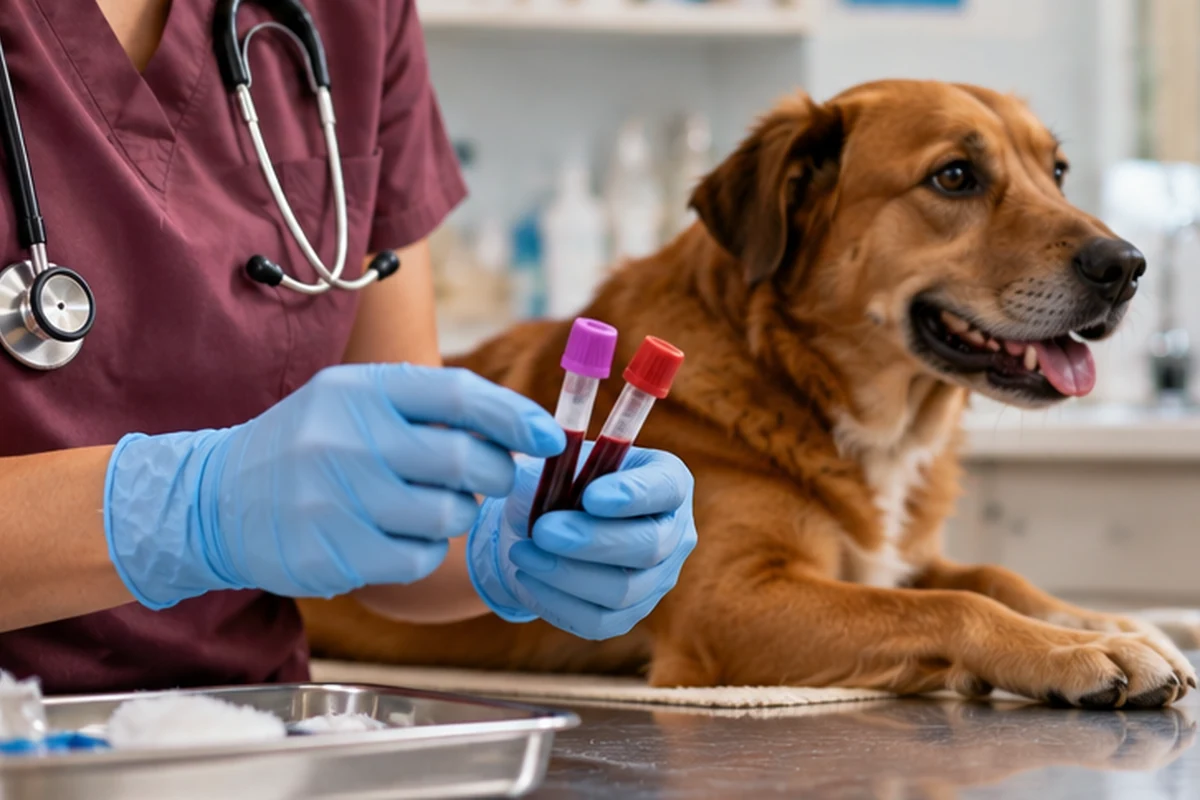
A complete blood count, often shortened to CBC, describes cells in the blood: red cells, white cells and platelets. A chemistry panel evaluates a different set of measurements that can help assess organs, electrolytes, proteins and glucose in context. A veterinary team may order both, but they are separate tests. Additional tests such as thyroid measurements, infectious-disease screening, coagulation studies or specialized assays can increase the total because they serve different questions.
Ask the clinic to show the actual order or estimate. If it says only ‘blood panel’, request the panel name and what’s included. One hospital’s basic panel may contain a different range of analytes than another’s comprehensive or pre-anesthetic panel. Comparing two quoted prices without comparing these test contents is like comparing two grocery baskets solely by the total at checkout.
A clinic may also include a physical examination, blood draw, handling or laboratory processing as separate charges. Some perform portions of testing in-house, while others ship specimens to a reference laboratory. These decisions may affect turnaround, logistics and cost. A cheaper test is not necessarily the right test if the veterinarian needs an answer quickly or requires a method not available at that facility.
Why a CBC and chemistry profile may be ordered together
A CBC can provide information about cell counts and morphology that helps veterinarians consider anemia, inflammation, infection and other patterns. A chemistry profile provides different information, including measurements relevant to liver and kidney assessment, glucose and electrolytes. Neither panel can, by itself, diagnose every illness. Results require a physical examination, clinical history and sometimes urine testing, imaging or follow-up tests.
Cornell’s diagnostic descriptions show that a CBC can contain numerous cell counts and evaluations rather than one simple number. AAHA similarly explains that chemistry profiles differ by how many measurements are included. When a receptionist says the clinic’s ‘full bloodwork’ bundle contains a CBC plus chemistry, ask whether there are additional tests such as thyroid or screening assays. If those are not included, a clinician may recommend them separately depending on the symptoms or stage of life.
For an apparently healthy older cat, baseline testing may provide useful information to compare across visits. For a dog with severe vomiting, the clinician may need diagnostic results urgently and might prioritize different measurements or add other tests. The medical reason for bloodwork is what should determine the order, not the most attractive bundled price.
Routine screening versus an urgent diagnostic workup
At a preventive wellness appointment, the veterinarian may recommend screening tests based on the animal’s age, breed, previous results and individual risks. The owner can often ask for a written estimate before booking and plan the expense. Some clinics bundle screening with annual visits or offer a preventive-care plan. Make sure the bundle contains medically useful services for your pet rather than assuming that a long list of laboratory abbreviations offers better value.
In an urgent situation, the hospital may require faster in-house testing or serial samples to monitor treatment. The invoice can also include emergency consultation, intravenous access, medications, imaging or hospitalization. Comparing that total with a daytime wellness-screening quote would be misleading. The bloodwork charge is one component of a different episode of care. Ask the veterinary team which tests are time-sensitive and what decisions each test will inform.
If your pet is having trouble breathing, has collapsed, cannot stand normally or shows other severe acute signs, seek emergency care. It is appropriate to mention a financial limit and request a prioritized treatment plan, but delaying a medically necessary evaluation for a cheaper laboratory provider can be unsafe. EvePaw cannot judge urgency from a written description of symptoms.
An example of how an itemized estimate works
Consider a fictional cost illustration, not real national price data. Clinic A provides a wellness estimate listing a $75 examination, $110 CBC, $125 chemistry profile and $35 sample-handling charge. The displayed total is $345. Clinic B advertises a ‘bloodwork bundle’ for a hypothetical $210, but the quote does not clarify whether an exam is included. It would be wrong to conclude that Clinic B is $135 cheaper for equivalent care without obtaining the contents of the bundle and any separate consultation fees.
A consumer-facing estimate worksheet could list: medical reason, test name, price, whether interpretation is included, collection fee, exam charge, timing and likely follow-up. Once both clinics respond to the same list, the comparison becomes more meaningful. An individual veterinarian may still recommend a different diagnostic path because of equipment, animal condition or a prior result. Price comparison should not override clinical appropriateness.
Even the fictional Clinic A total should not be treated as a forecast for your pet. It demonstrates the logic of adding invoice line items. A university hospital, emergency service, community clinic and independent general practice may arrange testing differently. Geography and laboratory vendor also affect charges. Ask for a local, date-specific quote.
What can change the final amount after testing?
Sometimes the initial panel answers the medical question. Other times it prompts a specific follow-up because a value is unexpected, symptoms persist or the result does not fit the clinical picture. A veterinarian may recommend repeat bloodwork, a more specialized assay, urine testing or imaging. These are not inherently unnecessary ‘upsells’; they may address uncertainty that a general screening panel cannot resolve. Ask what new information is expected from each next test and how that information might change care.
The timing of the follow-up matters. A clinician may want a repeat measurement after medication, fluid therapy or a period of monitoring. That can create an additional bill even when the first test was performed correctly. Ask when repeat testing would be medically important, what signs would warrant earlier contact and whether the suggested interval is flexible. Never independently stop a prescribed medicine solely to avoid the cost of monitoring.
Sample quality can also matter. In some cases a specimen must be repeated because handling or technical issues make the result difficult to interpret. Ask the clinic what happened and whether a repeat fee applies, but avoid assuming every repeat test reflects an error. The veterinarian should explain which situation applies.
Understanding results without self-diagnosing
Blood test reports often display a number, a reference interval and a marker indicating whether a result lies outside that interval. The number may be important, but a flagged result alone is not a diagnosis. The veterinarian considers the pet’s age, hydration, clinical signs, medications, prior readings and other information. A measurement slightly outside a lab reference range may warrant monitoring, while a value inside the range can still be significant when it has changed from that animal’s baseline.
Ask for three things when results return: which findings are normal or reassuring, which are abnormal or uncertain, and what the next step is. If a result is flagged, ask whether it explains symptoms, needs confirmation or is a separate incidental finding. Have the clinic record the plan in the medical chart. Do not choose supplements from an online interpretation tool or compare a cat’s chemistry numbers with a dog’s reference range.
Results can also arrive in stages when an external laboratory performs additional testing. Ask what is still pending and when the clinic expects to contact you. If symptoms worsen before that time, contact the veterinarian promptly rather than assuming the results will be delivered automatically with a treatment plan.
Bloodwork before dental procedures or surgery
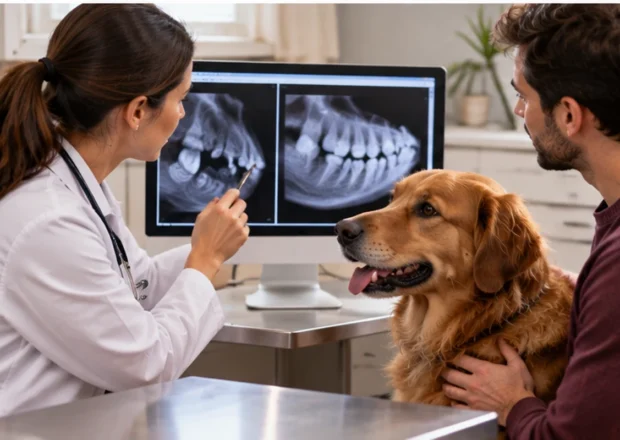
Pre-anesthetic testing is often discussed in connection with dental treatment or surgery. Its purpose can include identifying clinical issues that may influence the anesthetic plan, but the appropriate tests depend on the animal’s condition and procedure. The examination, bloodwork, anesthesia, monitoring and procedure are different cost components. A low advertised ‘dental cleaning’ price may or may not include them, so an itemized estimate is especially important.
Ask which tests are recommended, why, how recently existing bloodwork can be used and whether additional testing may be indicated because of age or medical history. A veterinarian may decide a recent panel remains informative or may require updated measurements. That is an individual medical determination, not a rule EvePaw can set. Skipping recommended evaluation just to match a discounted package can leave important uncertainties unaddressed.
A pet with a known chronic condition may require closer medication or organ-function monitoring around a procedure. This can reasonably change the budget. Discuss those needs early rather than discovering them after arrival at the hospital.
Does pet insurance pay for blood tests?
Coverage depends on why the test is ordered and which policy you bought. Under accident-and-illness insurance, bloodwork used to diagnose or monitor a covered condition may be an eligible expense if the contract includes that service. Routine screening performed when the pet is healthy may not be covered by the medical policy, though an optional preventive-care add-on might offer a scheduled benefit. A test performed for a pre-existing problem may be excluded even when the laboratory itself is a normally covered type of service.
For example, a laboratory charge generated during investigation of a new covered illness should be analyzed differently from annual screening with no symptoms. A policy with an annual deductible may also pay nothing on a smaller otherwise eligible claim until the deductible is met. Keep the itemized invoice and veterinary notes indicating the medical reason. Do not change a routine exam to an illness visit merely because the insurance plan reimburses the latter.
Some insurers may ask for clinical history to establish when the relevant condition first showed symptoms. A lack of a microchip or a particular clinic’s records is not proof that the condition is new. Review the waiting-period and pre-existing-condition rules in the actual state policy before assuming reimbursement. If a claim is denied, ask for the insurer’s stated reason and the specific policy provision.
How to compare clinics without sacrificing care
If bloodwork is non-urgent, call two or three reputable clinics with the same list of tests supplied by the treating veterinarian. Ask for the total estimate, including examination and specimen charges, and when results can be reviewed by a clinician. Inquire whether the test is performed in-house or referred out, which veterinarian will interpret it, and whether a repeat visit is included. A cheaper quoted panel without interpretation or follow-up may not be better value for a complicated medical question.
For animals already receiving care from a specialist, ask whether testing can be coordinated with the primary veterinarian, avoiding unnecessary repeat collections. Do not order independent tests simply to create more numbers if no veterinarian is prepared to interpret them. Continuity of records can be more useful than a slightly lower invoice from an unfamiliar facility that lacks the animal’s history.
If cost is a serious barrier, tell the veterinarian the amount you can afford and ask which tests are essential to answer today’s question and which might reasonably be staged. There may be clinically acceptable options, but the veterinarian must determine whether delaying a test is safe. Financial openness is more helpful than quietly declining a test and leaving the clinician unaware.
What to ask before agreeing to the estimate
Ask: Is this a CBC, chemistry profile or both? Are thyroid, infectious-disease or other assays included? What specific question is each test intended to answer? Is there a separate examination or sample collection fee? How quickly will results return, and who will explain them? Might another test be needed depending on the findings? Could the result alter treatment today? Does any existing insurance or wellness benefit apply, and which documentation will be needed?
A useful written estimate names the medical purpose and the individual cost components. It allows a household to plan without pretending that every laboratory order is interchangeable. In EvePaw’s Vet Costs desk, the guiding principle is straightforward: compare complete, medically equivalent estimates whenever time permits, and prioritize the pet’s immediate welfare when it does not.
Research sources
- AAHA: The ABCs of Dog Blood Work
- AAHA: The ABCs of Cat Bloodwork
- Cornell: Hematology and CBC Components
- AAHA: Why Your Pet Needs Annual Wellness Testing
Research reviewed October 9, 2026. Coverage and cost details may differ by state, policy version, pet and clinic; fictional examples are labeled in the text. This article is educational and does not replace veterinary care or the insurance contract.