First, ask whether the change is sudden or typical
Cats naturally seek secluded spots to rest and feel secure. A shy cat disappearing when visitors arrive is not the same pattern as a sociable cat suddenly hiding all day, skipping meals and avoiding the litter box. The key question is what changed for this particular animal. Cornell’s feline health guidance notes that reduced interaction and unusual hiding can be signs that a cat is unwell; the observation does not identify a disease. Owners should avoid assuming either that hiding is always a behavior problem or that every hiding episode signals an emergency.
Start by checking for urgent warning signs without dragging the cat out of a hiding place. Breathing difficulty, collapse, repeated attempts to urinate with little or no output, profound weakness, severe pain or suspected toxin exposure require immediate veterinary attention. A male cat straining without passing urine may have an obstruction and needs emergency care. Even when none of those signs is obvious, a marked sudden change in a normally interactive cat justifies prompt contact with the regular veterinarian, particularly if eating, drinking or elimination has changed.
Hiding can be a reasonable response to change
A move, unfamiliar guests, construction noise, new animal, changing household schedule or a new scent can cause a cat to seek cover. For some animals, a quiet enclosed area is a useful coping tool. The difference between normal coping and a more concerning pattern lies partly in duration, appetite, elimination, activity and whether the cat begins to emerge again when the environment settles. Observe without forcing interaction. A hiding space with easy access to water, food and a clean litter box can reduce conflict while you evaluate the situation.
In multi-cat homes, resource competition may be subtle. One cat may block a hallway, stare at another animal or monopolize a preferred feeding spot without overt fighting. The retreating cat might hide because moving through the house has become stressful. Add separated access points rather than placing every essential resource in one contested room. A camera can sometimes show when the cat emerges at night, but it should not replace examination if the cat is showing possible illness. Treat changes in hiding as information, not defiance or proof that the cat simply “dislikes” someone.
Signs that change how quickly to call the clinic
Contact a veterinarian promptly when unusual hiding accompanies poor appetite, vomiting, changes in thirst, unusual breathing, loss of weight, a hunched posture, vocalizing when handled, difficulty jumping, or unfamiliar litter-box behavior. Cats frequently conceal discomfort, and a cat that does not want to be touched may be experiencing pain rather than showing a sudden bad temperament. If there is no urination, severe respiratory effort, collapse or an obviously critical problem, contact an emergency hospital rather than waiting for a scheduled appointment.
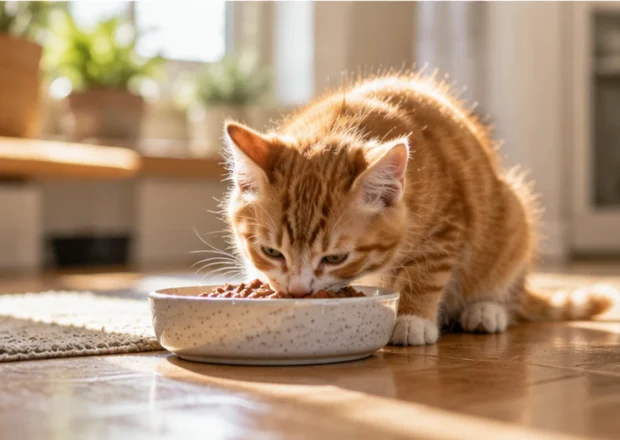
Appetite deserves careful attention. A cat that does not eat normally may need veterinary guidance sooner than an owner expects, particularly with underlying illness or major weight concerns. Do not attempt to force-feed a frightened cat or rely on a generic timeline from the internet. Instead, tell the clinic the actual period without food and whether water intake is known. If other household cats share bowls, use short supervised observation or temporary separation to establish what this specific cat is consuming. These facts are more helpful than an unsupported guess about why the animal is hiding.
Medical causes are varied and need examination
Hiding is not a diagnosis of cancer, urinary disease, dental disease or arthritis. It can accompany many conditions that make the cat uncomfortable or less willing to move. A painful mouth may change feeding behavior; a musculoskeletal problem may make high perches harder to access; a urinary problem may cause repeated litter-box visits; a systemic illness may leave the cat fatigued. The same behavior can also reflect fear or environmental stress. That breadth is exactly why an owner should not attempt treatment based on one sign.
Cornell’s guidance on senior cats highlights how subtle behavior changes may precede recognition of an underlying medical condition. With older animals, weight tracking, movement, grooming, appetite and elimination patterns become especially valuable. A veterinary examination may include weight and body-condition assessment, oral evaluation, joint comfort, hydration and history, with further tests chosen according to findings. A normal initial examination can also be useful if the pattern later changes. The goal is not to order every available test but to decide which explanations are plausible for this particular animal.
What to observe without escalating stress
Spend a few quiet minutes at a distance and write down where the cat stays, how long it remains there, and whether the animal comes out for its usual activities. Check food and water use without repeatedly approaching or moving the bowls. Record whether the litter box has normal deposits, and consider separating cats temporarily if household sharing makes observation impossible. Look for evidence of vomiting, drooling, excessive grooming, limping or changes in the coat. A short video of walking or posture can help if the cat emerges naturally.
Do not pull the cat from beneath furniture merely to check whether it is still frightened. Forced handling may cause injury to the animal or the person and make a useful hiding area feel unsafe. When an urgent visit is necessary, ask the clinic for transport advice; a securely prepared carrier in a quiet space is preferable to a chaotic pursuit through the home. If you need to lift an ill or painful animal, use the least stressful safe method and seek professional advice. Observation must never become a reason to delay essential veterinary help.
Create a temporary low-pressure recovery space
Choose a quiet room or area with a familiar resting spot, clean litter box, separate water and feeding locations, and no easy access to chemicals, loose string or open windows. Provide a hideout such as a sturdy box or covered bed while keeping clear routes to resources. Avoid strong scents, loud music and repeated visits from curious family members. If there are dogs or other cats in the home, use a door or secure barrier to create predictable distance until the animal’s behavior has settled or a veterinarian recommends further evaluation.
The room is a stress-management tool, not a treatment for infection, pain or organ disease. If the cat remains unusually withdrawn or eats poorly, continue with veterinary advice. If the concern clearly follows an environmental change and the animal maintains normal appetite and elimination, a gradual return of choice and control may help. Reward voluntary exploration rather than trying to coax the animal with constant handling. The best outcome is a cat comfortable enough to eat, drink, use the litter box and approach people on its own terms.
Why the litter box is an especially important clue
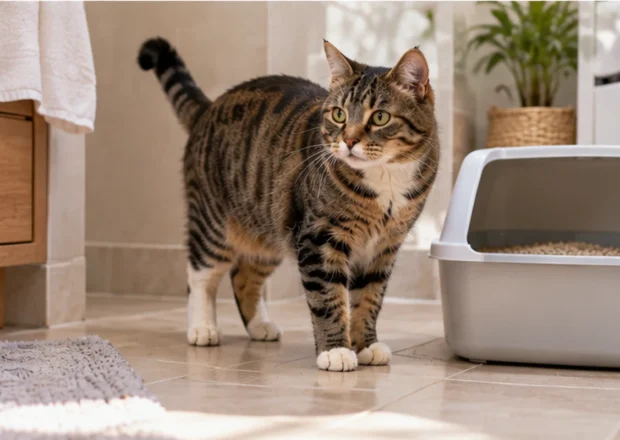
Some cats avoid a litter box because a location has become stressful, another cat blocks access, a new litter scent is unpleasant or the box is difficult to enter. But elimination changes can also reflect painful urinary or gastrointestinal problems. A cat hiding behind the washing machine and making frequent unsuccessful trips to the box should not be labeled “anxious” without considering urgent veterinary causes. Veterinary emergency references single out inability to urinate—particularly in male cats—as a time-critical situation.
Track the number and approximate size of urine clumps when possible, whether the cat is straining, and whether there is blood or vocalizing during elimination. Do not assume that seeing the cat inside the box means it successfully urinated. In a multi-cat household, you may need temporary separation to identify the animal involved. A veterinarian may need urinalysis, imaging or further evaluation depending on the signs. Household adjustments such as extra boxes and quieter placement may still help, but they do not substitute for a workup when medical red flags are present.
For senior cats, compare today with the last few months
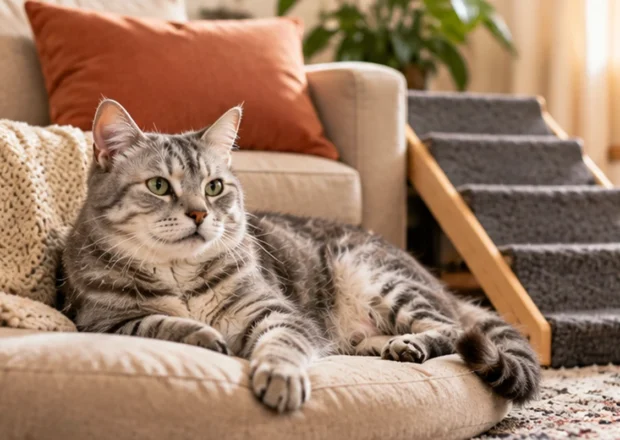
An older cat’s retreat from favorite furniture may not be an explicit choice to spend more time alone. Difficulty with stairs, reduced vision, pain, cognitive changes or other illness can make a familiar route suddenly challenging. Cornell recommends careful monitoring and regular veterinary evaluation for senior cats because clinically important problems can remain subtle. Describe whether the cat has changed sleeping areas, stopped grooming certain body parts, started missing jumps or appears disoriented at night.
Simple access adjustments may help while medical questions are assessed: lower-sided litter boxes, a stable step near a favorite sofa, soft resting surfaces and easily reached water. Keep furniture arrangements relatively predictable for cats that are navigating less confidently. Do not interpret improved access as confirmation of arthritis or another diagnosis. The changes merely reduce friction and can help the animal maintain basic routines. A clinician can investigate the cause and advise on pain relief or treatment when appropriate. Never use over-the-counter human pain relievers without veterinary direction.
How to prepare for a productive vet conversation
When you call, report the date the behavior changed, whether hiding is continuous or episodic, recent household disruptions, eating and drinking, urination and stool, and any concerning medical signs. Include current medication, known conditions, age and weight trends. If there was an injury, toxin exposure or evidence of urinary obstruction, make that clear first so the clinic can assess urgency. Bring photos or videos only when taken without delaying care or stressing the cat.
After the appointment, keep the plan short and specific: which signs are expected to improve, which should trigger a callback, what follow-up tests may be appropriate and when to check in. If the cause appears primarily environmental, follow a gradual plan to rebuild predictable access and reduce conflict. If treatment is prescribed, use it exactly as instructed and do not change the regimen because the cat hides again for a few hours. A change in hiding behavior is a valuable prompt to look more closely, but it does not tell you on its own what the underlying problem is.
Helping the cat return to normal household routines
Once urgent medical concerns have been addressed, make the cat’s environment predictable. Keep feeding times reasonably consistent, preserve familiar resting places and offer several quiet routes through the house. Allow the cat to choose contact instead of repeatedly reaching into its hiding place. For some animals, brief play near the edge of a safe room and gradual access to more space can help rebuild confidence. If the cat remains withdrawn, continues to eat less or shows other illness signs, notify the veterinarian; the environment alone may not explain the problem.
If a new dog or cat arrived recently, slow introductions and protect independent access to food, water, litter and resting spots. An apparently calm resident cat may still feel unsafe when another animal follows it into narrow hallways or guards preferred furniture. Look at the entire daily routine rather than measuring success only by how quickly the cat emerges when called.
Research sources
- Cornell: Behavior Changes as Warning Signs
- Cornell: Special Needs of the Senior Cat
- Cornell: Choosing and Caring for Your New Cat
- Merck: Emergency Animal Triage
Research checked October 9, 2026. Educational veterinary articles do not diagnose a pet or replace individual veterinary care. Any financial calculation is hypothetical; insurance coverage is determined by the issued policy and claim facts.