Dog Cruciate Ligament Surgery Costs: The Short Answer
There is no reliable single national price for repairing a dog’s cranial cruciate ligament. A hospital’s quote depends on the dog’s size, the chosen stabilization technique, surgeon and facility, diagnostic imaging, anesthesia, implants, hospitalization, follow-up visits and rehabilitation. A fair comparison starts by asking whether two quotes include the same entire treatment episode. The procedure itself is only one part of the expense, and the lower operating-room figure may omit services the other clinic bundles. A dog that begins limping or refuses to bear weight needs veterinary evaluation. The problem might involve the stifle (knee), but lameness also has many other causes. A veterinarian can examine the joint and decide whether radiographs, sedation or orthopedic consultation are appropriate. Do not commit to a particular surgery—or assume surgery is inevitable—based only on a limp. The American College of Veterinary Surgeons describes several operative techniques and stresses that patient factors and aftercare matter to the outcome.
Why a Cruciate Ligament Problem Changes the Budget
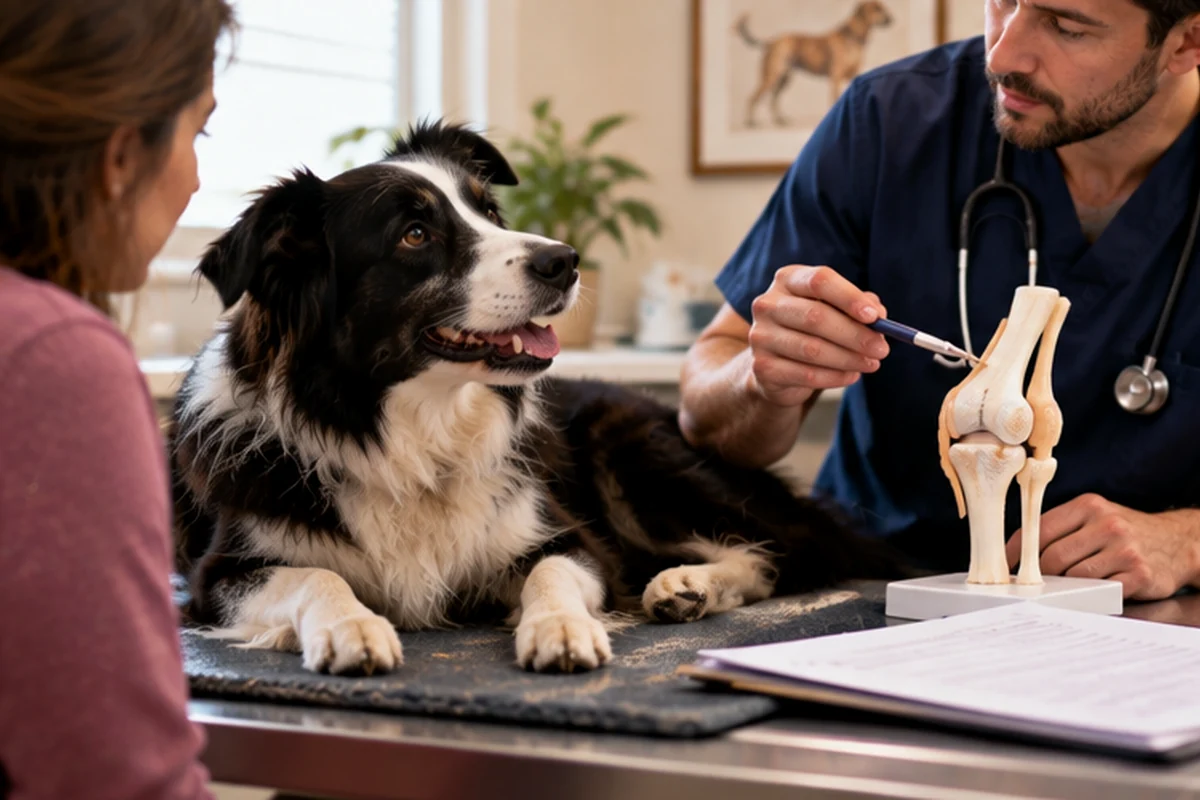
The cranial cruciate ligament helps stabilize the canine knee. Damage can be associated with instability, pain, meniscal injury and degenerative joint disease. In many dogs the condition develops through a degenerative process rather than one dramatic athletic accident, although owners may first notice the limp after a run or jump. That distinction matters for both treatment expectations and insurance terms. A recent fall does not prove every cruciate problem is classified as an accidental injury by an insurer. Dogs vary greatly in size, anatomy, activity and concurrent joint disease. A surgeon may recommend a technique suitable for a large, active dog that differs from the approach considered for a smaller patient. Ask whether the disease affects one or both stifles, what the examination suggests about meniscal involvement, and whether another condition could explain the symptoms. These questions shape the estimate because they affect imaging, operative time, implants and the likely intensity of rehabilitation.
What Is Included Before Surgery?
A typical treatment pathway begins with history, gait and joint examination and may proceed to radiographs or a specialist assessment. Anesthesia or sedation may be needed for particular views or a more complete orthopedic examination. Pre-anesthetic laboratory tests can help assess the dog’s suitability for anesthesia and identify coexisting problems. Some hospitals also charge a separate consultation fee for a board-certified surgeon, while others bundle consultation into a surgical package. Ask for a list of charges before surgery is scheduled. It should identify the initial consultation, radiographs, repeat imaging if necessary, preoperative bloodwork, anesthetic assessment and whether a fee is due if the procedure is postponed. A large difference between two quotes may arise because one has already completed diagnostic imaging and the other still includes it. Find out whether the final quote assumes a confirmed diagnosis or remains contingent on findings during surgical planning.
TPLO, TTA, and Other Stabilization Approaches
The American College of Veterinary Surgeons describes tibial plateau leveling osteotomy (TPLO), tibial tuberosity advancement (TTA), and other approaches used to manage cranial cruciate ligament disease. TPLO changes the geometry of the tibia through a bone cut stabilized with a plate and screws. TTA uses a different bone-cut and implant configuration to alter forces acting on the knee. Both require postoperative bone healing and careful restriction of activity. Other surgical or extracapsular methods may be considered in selected patients. A specific technique should not be chosen only because it appears cheapest on a price list. The surgeon considers body size, tibial geometry, activity, associated injuries, medical condition, and expertise. Ask why the recommended technique suits this dog, what alternative approaches are reasonable, how the complication profile differs, and what recovery plan follows. If you obtain a second opinion, bring the actual images and prior records so the assessment can be focused rather than repeating every test without need.
The Operating-Room Portion of the Estimate
Surgery may involve the surgeon’s professional fee, operating suite use, anesthesia, monitoring, surgical supplies, implants, sterile equipment, and perioperative medication. The implant used for one operation may not be interchangeable with the system for another. A quote marked simply “TPLO” may include all of these items, while another clinic may itemize them separately. That makes a one-line comparison unhelpful until the details are normalized. Ask whether the stated fee includes intraoperative radiographs, meniscal assessment, pain-management protocols, postoperative medications and any day-hospital nursing. Also ask whether the clinic charges differently if additional meniscal work or another unexpected procedure is required. An estimate range may be more honest than a firm number before the surgeon sees the joint. The owner should understand what could trigger an updated authorization during surgery.
Hospitalization and Discharge Charges
Some dogs go home after a short postoperative stay; others need overnight monitoring because of pain control, mobility, age or additional medical concerns. Charges may include nursing, monitoring, medications, intravenous fluids, repeat assessments, protective equipment and discharge instructions. The number of nights is not a badge of quality by itself. Ask the surgeon what is clinically appropriate for the particular patient and what services are available after hours if the dog remains admitted. Before discharge, request clear directions about incision care, medications, toilet breaks, support during walking, confinement and when to call urgently. If a dog is large or difficult to assist, discuss a support sling or a non-slip path through the home before surgery day. These practical preparations may not be part of the invoice, but they reduce confusion and help you follow the treatment plan.
Rehabilitation Is Part of the Real Cost
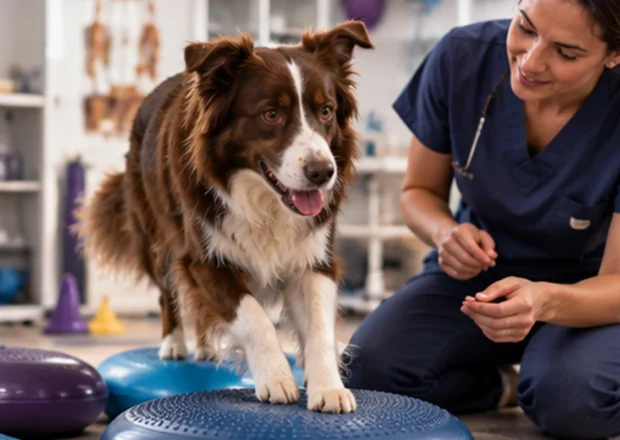
Postoperative rehabilitation can include controlled lead walking, home exercises, planned rechecks and, when indicated, professional rehabilitation visits. ACVS notes that physical rehabilitation can improve recovery and emphasizes restricting activity while tissues or bone heal. A dog that feels energetic after pain relief may still need weeks of controlled movement. Do not replace the surgeon’s timetable with a generic online exercise schedule, especially after a bone-cut procedure. Ask how many follow-up visits and radiographs are expected, whether they are included in the first surgical quote, and whether rehabilitation sessions are recommended or optional. If the home has stairs, slick floors or small children, discuss how the plan will work in that environment. Owners sometimes underestimate the labor of postoperative care; the dog’s recovery depends on more than the quality of the operation itself.
Complications and the Estimate Contingency
Even well-performed surgery can have complications such as infection, implant irritation or failure, fracture, delayed healing, persistent lameness or a meniscal problem. The ACVS resource discusses these possibilities and the possibility of arthritis progression. A complication does not automatically mean a surgeon performed improperly. It can require extra imaging, medication, anesthesia or revision surgery, each of which may generate charges beyond the original quote. Ask what symptoms should prompt a call, who covers after-hours questions, and how re-evaluation is billed. Clarify whether the quoted follow-up schedule includes incision checks and whether extra visits are charged if something changes. Keeping a contingency reserve is more realistic than treating the operating price as the maximum possible bill. Avoid promising yourself that a complication cannot happen merely because the surgery is common.
A Practical Side-by-Side Quote Checklist
To compare clinics fairly, request itemized estimates using the same information about your dog’s weight, age, diagnosis and proposed technique. Compare the surgeon’s credentials and procedure, diagnostic tests already completed, implant charges, anesthesia and monitoring, hospital stay, medication, scheduled rechecks, radiographs, rehabilitation and urgent after-hours care. Ask which components are estimates rather than guaranteed prices, and what the clinic’s consent process is if costs change. For example, imagine Clinic A quotes an illustrative $4,000 package that excludes two follow-up radiographs and rehabilitation, while Clinic B quotes an illustrative $4,600 including those services. These are made-up arithmetic figures, not observed U.S. market prices. Clinic B is not necessarily more expensive in total, and Clinic A is not necessarily inferior. The point is to compare all expected expenses and clinical suitability rather than one bold number.
What About the Other Knee?
Cranial cruciate disease can affect both knees over time, and ACVS notes that contralateral disease is not rare. The second knee does not necessarily fail, nor does the finding mean that two surgeries should be scheduled automatically. However, knowing the possibility can influence long-term budgeting and discussions of weight management, rehabilitation and activity. Ask your veterinarian what monitoring is reasonable and whether the other stifle appears abnormal on examination. From a financial perspective, a household should avoid spending its entire emergency reserve on one procedure without considering aftercare and other unexpected needs. If a second knee becomes painful later, the diagnosis and eligibility for future insurance claims may differ. Don’t assume that having one knee repaired makes a later problem covered or excluded; that is determined by policy wording and the clinical record.
How Pet Insurance May Treat Cruciate Disease
Cruciate claims can be especially sensitive to waiting periods, bilateral-condition clauses, signs that existed before coverage, and the way the policy defines illness or injury. An insurer may look at earlier records of intermittent limping even if the knee was not formally diagnosed until after enrollment. Coverage is not established simply by naming a surgery as medically necessary. Request the relevant policy form and endorsements, and ask the insurer specific questions about orthopedic waiting periods and contralateral-knee provisions. Keep diagnostic notes, dates of first signs, imaging reports, referral correspondence and itemized invoices. If you are comparing insurers before a pet has a problem, normalize deductible, reimbursement, annual limit and relevant orthopedic restrictions; do not compare a high-benefit policy with an accident-only plan as though they are substitutes. If treatment is already recommended, seek medical care according to veterinary advice regardless of how quickly an insurance question is resolved.
If Surgery Is Not Immediately Possible
Financial limitations can make an otherwise reasonable surgical recommendation difficult. Tell the veterinarian honestly what can be paid and ask which parts of treatment cannot safely wait, whether referral or staged payments are available, and what conservative management may achieve for this particular dog. Weight control, pain management and restricted activity may form part of a plan, but they are not guarantees of restored joint stability. A veterinarian must assess the risks of delaying surgery for the dog’s actual condition. Do not administer human painkillers or start an exercise program because an online account claims that a knee ligament heals with rest alone. Seek a second professional opinion when the diagnosis or proposed technique is unclear. Ask the clinician to spell out the likely consequences, uncertainties, and monitoring requirements of any alternative plan. In a medical decision with substantial cost, understanding options can be valuable without pretending that every alternative has equal outcomes.
Bottom Line: Budget for the Whole Episode
The meaningful number is the total estimated cost of diagnosis, chosen procedure, anesthesia, implants, hospitalization, planned rechecks and rehabilitation—with a contingency for surprises. Your first useful step is to confirm the diagnosis and request an itemized, comparable estimate. The second is to understand the recovery commitments at home. The third is to check any insurance contract against the actual condition and history rather than assuming reimbursement. No article can tell an individual dog which orthopedic surgery is appropriate. EvePaw explains the financial structure and questions to ask; the veterinarian and surgeon determine the medical recommendation. A careful estimate should make that recommendation easier to plan for, not pressure a household into choosing treatment from a single advertised price.
Research sources
- American College of Veterinary Surgeons: Cranial Cruciate Ligament Disease
- ACVS: Techniques to Manage Excessive Tibial Plateau Angle
Research checked October 9, 2026. EvePaw provides educational information, not veterinary diagnosis or confirmation of insurance coverage. Medical decisions require a veterinarian. Insurance benefits depend on the applicable state policy and effective dates. Cost examples are hypothetical, not measured average prices.