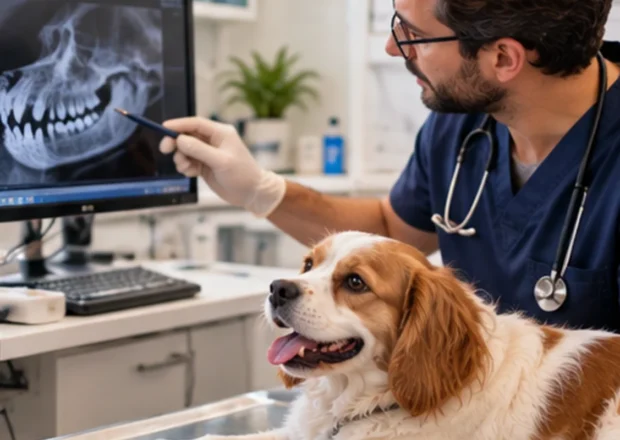
A vaccination appointment is rarely just the price of a syringe. The total may include a physical examination, one or more vaccine products, administration fees, parasite screening, other recommended tests and sometimes follow-up visits to complete an initial series. Before comparing a low-cost clinic with a full-service veterinary practice, request an itemized estimate that names the vaccines, explains what the visit includes and identifies which services are optional. A cheaper line item does not automatically mean the same appointment was provided.
There is no defensible single U.S. price for ‘pet vaccines.’ Local labor costs, clinic model, species, age, medical history and which vaccines your veterinarian recommends all affect the bill. EvePaw does not present invented national averages here. Instead, this guide explains the real billing decisions so you can compare two written estimates on equivalent terms and plan a preventive-care budget.
What you are actually paying for
A clinic may separate the doctor’s examination from vaccine administration. Another may offer a bundled preventive visit that includes a wellness exam and specified vaccines. A third may run a limited vaccine event, where the cost covers the product and its administration but not a comprehensive evaluation of the animal’s overall health. Those appointments can serve different needs. Confirm the service before choosing on price alone.
Examinations matter because vaccine recommendations depend on health status, previous records, lifestyle and local disease risk. A veterinarian may ask whether the pet has had reactions to earlier vaccines, whether it travels or boards, whether it encounters wildlife and what parasite prevention it uses. If the animal is sick at the appointment, the clinician may change the plan. These judgments cannot be reduced to a universal online shopping cart.
An itemized invoice can include an office visit, individual vaccine lines, technician or administration charges, a fecal or heartworm test, supplies and applicable taxes or fees. Not every invoice will contain every component. To compare accurately, ask both providers to quote the same visit scope instead of comparing a vaccine-only event with a full wellness examination as though they were interchangeable.
Dog vaccines: core protection and lifestyle questions
The American Animal Hospital Association’s canine vaccination guidelines identify core vaccines for dogs, including protection associated with distemper, adenovirus, parvovirus, leptospirosis and rabies, subject to clinical judgment. Its 2024 update made leptospirosis a core recommendation. Bordetella, Lyme disease and canine influenza can be appropriate for some dogs depending on exposure and geography. The veterinarian should explain why each vaccine is recommended for your dog.
‘Core’ does not mean every dose is given at every visit. A young puppy may need an initial series and later boosters, while a dog with reliable records may follow a different schedule. Some products require an initial series of more than one dose. Rabies requirements also interact with state and local law. The bill you are planning for this month may be only one part of a medically appropriate vaccination schedule.
For a boarding dog, a kennel may ask for specific documentation. Do not assume a kennel’s rule is the same as the veterinarian’s core-vaccine recommendations. Before booking, ask what evidence the facility requires and whether a vaccine must be given a specified period before arrival. This helps avoid a hurried extra appointment or a preventable boarding cancellation.
Cat vaccines: the household still matters
Feline vaccine decisions depend on age, history and lifestyle. Even indoor cats can have exposure risks, including potential contact during escapes, household changes or veterinary visits. A cat that enters a multi-cat environment or has unknown vaccination records may need an individualized review. Ask the veterinarian to explain which vaccines are core for your cat and which depend on circumstances, rather than relying on a one-size-fits-all online schedule.
The Feline Veterinary Medical Association publishes vaccination guidance and feline life-stage recommendations. These are frameworks for veterinary decisions, not authorization to self-select products without a clinician. If a shelter provides records, take them to the first appointment. The clinic may accept some documentation, request clarification or recommend a schedule because the history is incomplete.
A low-cost vaccination event may be sensible for a healthy cat with an established medical relationship elsewhere, but it is not a substitute for evaluation of weight loss, changed urination, dental disease or new behavior problems. If the visit needs to address those concerns too, ask for a separate examination estimate. Budgeting can be more precise when preventive services and evaluation of active symptoms are not blended into one unexplained total.
Why puppies and kittens usually need more than one visit
An initial vaccine series is planned to protect animals whose early immune status changes as they grow. The number and spacing of doses depend on age, product, previous history and the applicable guidelines. A newly adopted animal may enter the household with partial records rather than a complete series. The best financial plan reserves room for return visits rather than assuming the first appointment finishes everything.
Ask for a visit-by-visit plan before leaving. Request approximate dates for the next appointment, the specific products expected, whether an examination is needed again and what other tests or preventive care might be discussed. It is reasonable to ask about costs upfront; the veterinary team may be able to provide ranges or an itemized estimate even when the final medical plan could change.
An inexpensive first visit that excludes later doses may not be cheaper for the entire series. Conversely, a larger initial payment may include follow-up care that another provider charges separately. For a real comparison, write down the complete expected schedule and the assumptions made. Do not combine unlike packages into a single ‘per shot’ claim.
Compare full-service practices and community vaccine clinics fairly
A full-service veterinary appointment may offer a longer exam, individualized medical discussion and the ability to investigate an unexpected finding. A community event may focus narrowly on vaccine delivery and reduce the price for a healthy animal needing a straightforward service. Both can have a place. The relevant question is not which model is inherently better, but which one meets your pet’s medical needs at that moment.
Before attending a low-cost event, verify who administers vaccines, which products are offered, whether an exam is included, how records are provided and what happens if the animal appears unwell. Ask whether appointments, transport or waiting lines could cause stress for your pet. An anxious cat in a crowded carrier area may need a calmer setting even if the sticker price is attractive.
If you are moving between providers, establish a reliable way to store vaccine certificates and lot/date information. Ask each clinic to send a copy to your main veterinarian, and keep your own accessible records. Lost documentation may lead to additional work or an altered vaccination plan. Record quality is part of the service’s practical value, not merely paperwork.
A side-by-side estimate you can actually use
Imagine Clinic A quotes an illustrative $45 for a vaccine-only service and Clinic B quotes an illustrative $120 that includes a physical exam, a specified vaccine, a parasite test and written follow-up advice. These are invented numbers used only to demonstrate a comparison; they are not market averages or real clinic quotes. The second invoice is higher because it includes more care. If your pet needs only a documented dose, either scope may be appropriate after veterinary discussion. If symptoms are present, the exam can matter more than the vaccine price.
Now imagine the vaccine-only clinic also requires a separate exam and testing elsewhere. Add that follow-up to the total. Conversely, if the full-service practice is bundling procedures the pet does not need, ask whether the plan can be tailored clinically. The arithmetic is straightforward: total episode cost = appointment fees + vaccine charges + required testing + return visits + travel and other direct expenses. The medical necessity of each component still requires veterinary judgment.
A more useful comparison table lists the visit type, included examination, exact vaccines, tests, documentation, return-dose schedule and expected combined price. Leave uncertain cells marked ‘ask clinic.’ Do not fill unknown entries with guessed amounts. If a provider cannot tell you what a bundle includes, it is reasonable to request clarification before booking.
Where extra charges often come from
Some clinics add a physical exam fee even when you were expecting only a vaccination. Others may charge for stool testing, microchipping, nail trimming or parasite prevention suggested at the same appointment. A new-patient fee or a medical-record transfer charge may appear depending on practice policy. Not every extra is necessary for every pet; ask what is required today, what is a preventive recommendation and what could be scheduled separately.
A puppy or kitten may also need parasite control, wellness screening or follow-up care that is not part of the vaccine bill. These related items can be important, but they should not be silently counted as ‘vaccination cost’ when comparing sources. Keep your household budget honest by placing vaccine charges and other preventive care in separate lines. That makes future annual planning easier.
If your pet has a history of a vaccine reaction, the veterinarian may recommend additional precautions or a modified plan. Do not choose a cheaper setting that cannot safely accommodate the individualized recommendation simply because the standard package price looks low. Tell the clinic about prior reactions before the appointment, not after the vaccine has been prepared.
How to plan the cost over a year
Start with the veterinarian’s recommended schedule rather than an internet average. Separate predictable visits from possible unscheduled care. For each planned date, record the appointment fee, specified vaccine products, any recommended screening and what portion has already been paid. Ask if the provider offers a written care plan that can be revised when your pet’s needs change.
If a wellness subscription or insurance preventive-care add-on promises vaccine allowances, compare its incremental price with the actual benefit limits. Some products reimburse up to a set amount for each category, while others provide specified services under a clinic plan. A preventive package does not automatically pay for every vaccine or make the accident-and-illness policy broader. Verify waiting conditions, claim paperwork, annual limits and whether unused allowances roll over.
A household with two pets should budget by animal, not just multiply a single generic number. One may need a puppy series while the other only needs a periodic booster. They might attend different clinics or have different medical considerations. Keep separate records to prevent an inaccurate shared estimate and to avoid confusing one pet’s vaccine certificate with the other’s.
Six questions to ask the clinic before paying
Ask what exactly is in the quoted appointment; whether a veterinarian’s examination is included; which vaccines are recommended and why; how many subsequent doses or visits are expected; whether any tests or other fees are additional; and how you will receive records. If your pet has symptoms, ask whether it needs a medical appointment instead of a routine vaccine visit. These questions give the bill context without trying to second-guess clinical expertise.
If financial limits affect your decisions, say so early. Some clinics may explain which recommendations are time-sensitive, where community resources operate and whether payment arrangements exist. Do not delay urgent assessment for a sick animal simply because you have not yet solved the routine vaccine budget. Prevention planning and illness treatment are different problems.
The practical next step
Before the next scheduled vaccine date, gather records and ask your veterinarian for an individualized vaccination plan. Then request a written estimate with the examination, vaccine product, administration and any testing separated. Compare complete episodes of care rather than a single advertised dose. This is especially useful for the Bringing Them Home and Growing Up stages, when owners are learning both the medical timetable and the financial rhythm of preventive care.
EvePaw provides educational cost guidance, not personalized veterinary recommendations or verified nationwide prices. Vaccine decisions, reaction precautions and timing should be made with a veterinarian who knows your pet and local requirements.