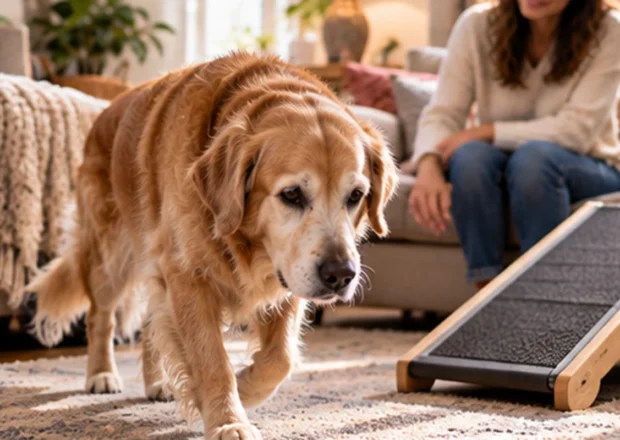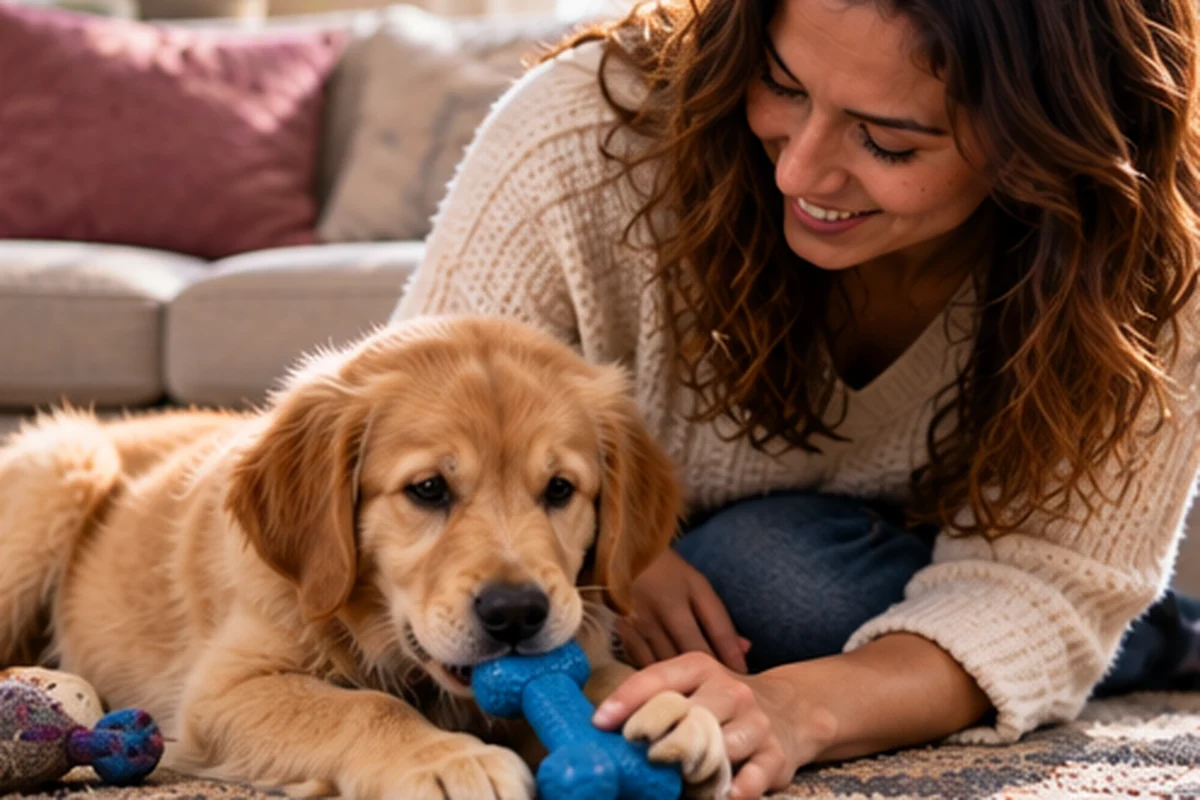
Puppy teething is usually a normal part of growing up, but it can make an ordinary afternoon feel like a search-and-rescue mission for your shoes. Baby teeth begin being replaced by adult teeth during puppyhood, and many puppies explore the world with their mouths even when teething discomfort is not the only reason. The practical response is to manage access to tempting objects, offer appropriately sized supervised chew options, teach gentle redirection and ask a veterinarian about unusual pain, retained baby teeth or broken teeth.
Teething does not explain every instance of biting. An overtired puppy, a puppy chasing moving hands, and one chewing after meals may be showing different needs. Notice when biting increases before buying another chew toy. You may need shorter play sessions, more predictable rest, a safer environment or help teaching the puppy what to do instead.
What changes inside a puppy’s mouth
Puppies have temporary teeth before their adult teeth come through. VCA Animal Hospitals describes 28 deciduous teeth and up to 42 permanent teeth. Although there is individual variation, baby teeth start being lost after the earliest months and most permanent teeth have appeared around six months. This is a developmental pattern, not a calendar that proves any individual puppy is on schedule. Size, breed and dental development can change what a veterinarian expects.
A little blood-tinged saliva on a chew toy or a missing tiny tooth may be part of ordinary tooth replacement. Owners rarely find every shed tooth. The concern is not whether each baby tooth is recovered; it is whether the puppy can eat, rest and use the mouth comfortably and whether the new teeth have room to emerge. Ask the veterinarian to look at the bite during routine puppy appointments instead of waiting until adulthood.
Mouthing can continue after the puppy has a complete set of permanent teeth. Dogs also chew because it is interesting, rewarding or soothing, and young dogs may investigate anything left within reach. An owner who expects chewing to end automatically at six months may be disappointed. Preventing unsafe access and teaching acceptable habits remain useful well beyond teething.
What normal teething may look like
A puppy may choose to chew more often, switch between toys, mouth during play, show mild gum sensitivity or briefly leave a small smear of blood on a toy. Look at the whole puppy rather than a single symptom: normal energy, reasonable appetite and the ability to settle are reassuring context, although they do not rule out dental trouble. Your veterinarian can assess changes that persist or worsen.
Do not assume that crying, refusing food, pronounced swelling or a visibly fractured tooth is ordinary teething. Puppies can have oral injuries, objects lodged between teeth, infections and other problems unrelated to the eruption of adult teeth. Persistent bad breath together with soreness, discharge or behavior change merits a veterinary call. A puppy who cannot swallow normally, is choking or has significant bleeding needs urgent assessment.
If you notice a tooth with a different color or a tooth that seems displaced after a tugging accident, avoid trying to correct it at home. Save a photo if your puppy tolerates it and contact the clinic. Even baby teeth matter; dental trauma can affect underlying structures, and delaying evaluation can make a straightforward question harder to answer.
Choose chew toys for the puppy you actually have
The word ‘puppy-safe’ on a label does not guarantee that a product is appropriate for every mouth. Think about size, chewing strength, material flexibility, the chance of tearing off pieces and whether you can supervise. VCA advises caution around very hard chews, including bones and antlers, because hard objects can injure teeth. The same product that survives gentle chewing may become dangerous for a puppy who destroys and swallows fragments.
Choose a toy too large to swallow and examine it before each session. If sections begin to break off, take the toy away. Some flexible rubber products designed for the puppy’s size may be reasonable under supervision. Food-stuffed toys can provide longer engagement, but the food still contributes to daily calories. Wash toys as directed and replace them when damaged, rather than trusting a favorite toy indefinitely.
Do not leave a young puppy unattended with edible chews that can become a choking hazard. Rawhide, bones, certain treats and even ordinary toys may splinter, lodge or be swallowed. Owners may receive conflicting recommendations online because risk depends on the animal and the product. If uncertain about a particular chew, bring its packaging or a photo to the veterinary appointment and ask directly.
Try cool comfort without improvising dangerous remedies
A cool, puppy-appropriate chew may be comforting, but improvising with rock-hard frozen objects is not a good substitute for a safe product. Avoid any homemade item that can splinter, unravel into strings or break into swallowable pieces. Refrigerating a suitable toy may be more sensible than freezing a rigid object until it becomes extremely hard. Follow the manufacturer’s directions and supervise the first attempts.
Do not apply human oral anesthetics or give human pain medication without veterinary instruction. An ingredient safe for a person may be dangerous to a dog, and calculating an amount from a human dose is not an acceptable shortcut. If your puppy seems genuinely painful, the right next step is an examination and an individualized recommendation rather than an over-the-counter teething gel.
Redirect play biting instead of turning it into a contest
Puppies often chase hands, socks and moving trouser legs because motion invites play. Keep a suitable toy nearby when greeting a lively puppy. When teeth contact skin, calmly stop the interaction and offer an appropriate alternative when the puppy can reengage. Give attention to the behavior you want: four paws on the floor, investigating a toy, sitting briefly or disengaging from moving clothing.
Consistency matters more than a dramatic reaction. Different people in the household should avoid encouraging rough hand play while another person tries to teach the puppy not to bite. High-pitched squeals excite some puppies rather than calm them; sudden pushing or punishment may escalate arousal. A reward-based trainer can help distinguish ordinary mouthing from fear, resource guarding or behavior that requires a different plan.
Watch when the behavior becomes intense. If biting worsens after a busy hour, add rest and quiet time rather than demanding more excitement. If it flares during coat brushing or handling, ask whether discomfort is contributing and build cooperative handling in small increments. The lesson is not simply ‘never bite’; it is ‘here is how to interact with people safely.’
Protect the house while the habit is developing
Good environmental management is not a failure of training. Put electrical cables out of reach, close laundry baskets, move medication and small objects, and use a puppy-proofed area when active supervision is not possible. A closed door, baby gate or suitably introduced pen can prevent a dangerous rehearsal while your puppy learns. Check for loose rug threads, children’s toys, socks and other items that can cause an obstruction if swallowed.
Offer a rotation of a few appropriate items instead of covering the floor with dozens. Different textures and simple food-puzzle activities can keep the acceptable objects interesting. When the puppy picks a chew, notice and reward that choice. If the puppy steals something unsafe, avoid turning retrieval into an exciting chase; use an appropriately taught trade and seek veterinary advice promptly for anything potentially toxic or dangerous that was swallowed.
Remember that household changes affect the plan. Guests may leave bags on the floor; children may accidentally drop small toys; a vacation rental may have exposed wires. The most useful routine is a brief room scan at transitions: after guests arrive, before leaving the puppy alone and whenever a new activity changes what is accessible.
Watch for retained baby teeth
A retained deciduous tooth is one that stays in place when the corresponding adult tooth erupts. Owners sometimes notice two teeth occupying a similar position, particularly around canine teeth. This is different from finding one loose baby tooth. Retained teeth can affect crowding, bite alignment and periodontal health, and the veterinarian may recommend treatment after checking the mouth.
Do not pull a baby tooth at home. Even if the visible crown looks small, the root and surrounding tissues need appropriate clinical assessment. If you see a ‘double fang’ or an adult tooth coming in beside a baby tooth, photograph it and arrange an appointment. Bring information about when you first noticed the change; the veterinarian can discuss timing in the context of development, breed and the individual bite.
A puppy may need professional dental care independent of the teething calendar. Fractured teeth, persistent infection, an abnormal bite or painful retained teeth warrant individualized advice. This is why a quick mouth examination during routine puppy care is valuable: it catches issues before the owner assumes that a chewing phase will resolve them.
Do teething problems change what to feed?
Most puppies can keep eating a balanced food appropriate to their growth stage. A sudden switch to an unbalanced homemade diet is not a necessary teething treatment. If chewing dry food seems difficult, ask your veterinarian whether temporarily softening the usual food or adjusting texture is appropriate. Track eating, drinking and weight rather than treating a single skipped chew as proof of illness.
If the puppy cannot eat normally, suddenly drops food, cries when touching the mouth or shows repeated vomiting, call the veterinary clinic. These signs deserve more than a toy recommendation. The clinic may ask about timing, what was chewed, whether foreign material could have been swallowed, and whether there are other symptoms. A photograph of the mouth can help, but never force open a painful mouth to obtain one.
Chews used for enrichment also count as food when edible. Large amounts of calorie-dense treats can upset a puppy’s diet or stomach. Measure how much is being offered and ask about age-appropriate options. The safest comfort plan is boring in a good way: normal meals, access to water, sensible toys, rest and veterinary input for abnormal pain.
The next veterinary visit: five useful questions
Ask the veterinarian whether the adult teeth are arriving as expected, whether any baby teeth are retained, whether the bite looks healthy, whether your chosen chew is appropriate and when to begin a cooperative tooth-brushing routine. If your puppy is already fearful of having its face touched, mention that too. Starting with seconds of gentle handling and rewards can build tolerance without holding the mouth open by force.
Oral care will matter after teething. Getting a puppy comfortable with a lifted lip, seeing a soft toothbrush and accepting brief handling can make future dental care easier. Work slowly and stop before the puppy becomes distressed. A veterinarian can explain which dog toothpaste and brushing approach to use; do not use human toothpaste. This is education about a future habit, not permission to brush sore gums aggressively today.
Keep a short record of unusual signs rather than memorizing every dental milestone. Note your puppy’s age, which objects it favors, changes in eating and the date a double tooth first appeared. Combined with a quick examination, these details help the clinician decide whether to observe, investigate or intervene.
A real-life example: the evening shoe thief
Imagine a five-month-old puppy who starts stealing slippers after dinner. The owner assumes every stolen shoe proves a painful tooth, but notices the puppy spends the entire afternoon excitedly playing and rarely resting. The plan changes: slippers are stored in a closed cupboard, the puppy gets a supervised flexible chew after dinner, and the household creates a predictable quiet period. The puppy still needs a mouth examination at the next visit; the behavior plan does not diagnose the teeth.
In a second situation, a similarly aged puppy has two canine teeth visible together, has begun refusing kibble and flinches when the muzzle is touched. That puppy needs a veterinary appointment sooner. The common age does not make the clinical situations equivalent. Owners should choose their next step based on pain, function and what they see, not on a blanket assumption that teething explains everything.
What to do next
Start with three changes today: remove hazardous objects, select one supervised chew suited to your puppy and schedule an oral check if you see retained teeth or persistent discomfort. Keep your training expectations realistic; preventing rehearsals and rewarding gentler behavior works better than expecting chewing to vanish overnight. For the broader Growing Up stage, connect the habit to vaccinations, routine veterinary visits and calm handling, because a puppy’s mouth is only one part of learning to live comfortably with people.
EvePaw provides general education, not a veterinary diagnosis. Difficulty breathing or swallowing, suspected ingestion of a dangerous object, marked bleeding or severe pain needs prompt professional advice rather than at-home experiments.